In Hollywood, books are almost as important as films. Several of the biggest blockbusters of all time have been based on books, and literature continues to be a constant source of inspiration to filmmakers. In particular fantasy novels have been big earners for studios. So how come some adaptations smash all expectations when others are just left out in the cold by moviegoers?
Really, I think there are several reasons.
Fans
Deciding to adapt a book that’s hugely popular can seem like a good idea; if there are millions of fans already familiar with the work then part of your job is done for you in finding an audience. But that’s a bit of a double edged sword to filmmakers. All of these fans have an idea of how the movie should look when it’s finished, and fans can be very protective of their favourite books, if they think a studio is selling out the book then they can refuse to go and see it, giving the film a negative reception before it’s even been released.
What’s Hot?
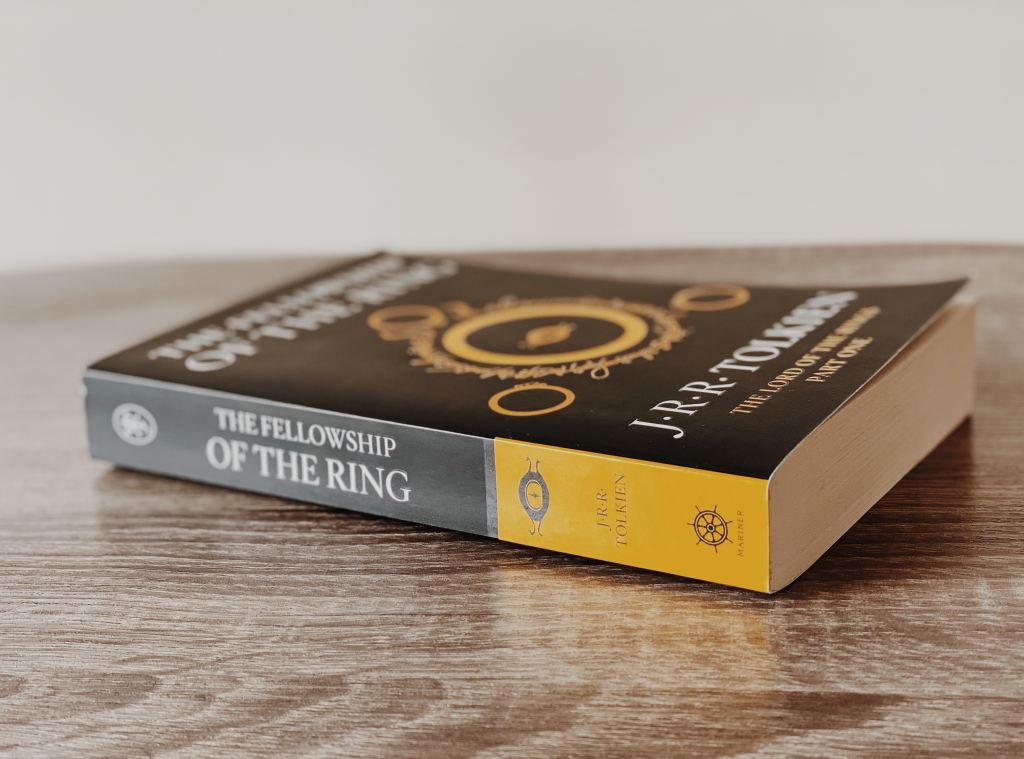
Studios like to have a certain amount of security before they sign off tens, or even hundreds, of millions of dollars on a project, so trying to hook on to a craze or putting in a famous actor even if they don’t fit the part can be lucrative, but not always. Something like that happened in the early 2000s, Harry Potter and Lord of the Rings had been huge successes and had set up fantasy as being capable of bringing in big bucks, so just about every studio rushed to find the next big franchise, adapting books such as Eragon and The Golden Compass. Yet these films were given a cold reception, pretty much killing any hope of a franchise, why?
Believe in Yourself
Partly to blame were the studios trying to stick too close to the formula that had proved so profitable, even if that didn’t fit with the style of the book. Also, these films cut out some of the central themes of the source material, such as Philip Pullman’s dislike of organised religion in The Golden Compass, hoping to attract a more general audience, instead they got the worst of both worlds, alienating fans of the books and not enticing in other cinemagoers.
How Long is a Movie?
So much of a movie is in its length: too long and you could bore the audience; too short and you struggle to fit everything in. That’s especially true with fantasy.
Of all the literary genres, fantasy is the one where people are willing to read the longest works. It’s almost a given that a fantasy novel will run into hundreds of thousands of words, sometimes millions spread over massive sagas of several books. Movies generally don’t run to much over two and a half hours, so trying to fit half a million words into that length is quite a feat for any director, with all of the world-building needed in fantasy it really is an unenviable task. But the opposite is also true: you can kill a movie by making it too long, or making too many.
The Hobbit trilogy does have quite a few faults, it’s not that they’re terrible, they just had their work cut out to try and match their predeccessor. One problem is trying to stretch an average sized novel across three two-hour-plus movies, meaning that a lot of padding had to be put in and the screenwriters delved into Tolkien’s other work to find material to put in.
Good Luck!
Luck also has its part to play. Releasing a movie at the right time, getting the actors that you want, the right directors, and striking the fine line between making a popular movie and appeasing the fans, means that adapting a successful novel isn’t always as easy as it seems.
Thanks for reading!
Updated on 26/05/2023.

 Films and Fiction
Leave a comment