As an Amazon Associate, I earn on qualifying purchases made through affiliate links on this site.
One argument that’s often used to defend a bad movie is that “it’s just for kids”. This usually means that it doesn’t matter about the quality of writing, or how it looks, or if it’s a dumb idea, because it’s not for adults so the standard shouldn’t be set so high.
But I don’t agree with that. In fact, I think the complete opposite is true. Kids stories should be the very best, and children deserve the highest quality of writing, and need the greatest stories to be made for them.
C.S. Lewis, author of The Chronicles of Narnia, puts it simply:
“No book is really worth reading at the age of ten which is not equally – and often more – worth reading at the age of fifty and beyond.”
And as usual, he’s right. If a film or book that we enjoyed as a child is any good, it will be something we can go back to well into adulthood.
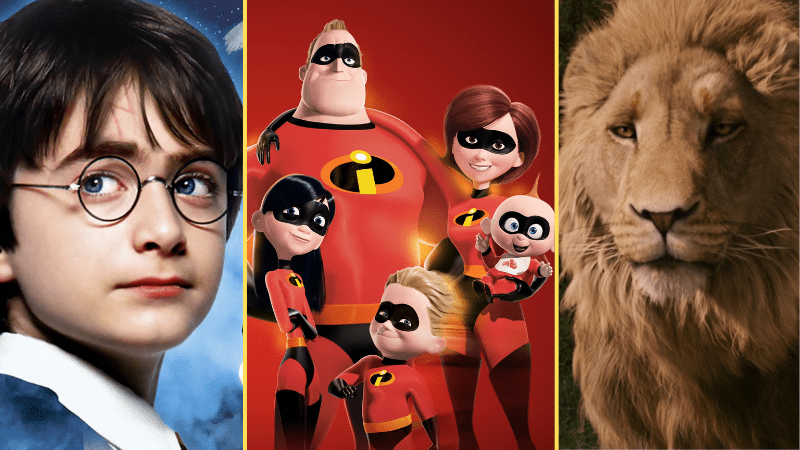
There are a lot of movies, such as The Incredibles or Toy Story, and the very best of classic Disney, where a child can watch them and see them one way, and years later, revisit them as an adult and see something completely different in them. You see what the story is really about. You understand what the adult characters mean. Maybe you have more sympathy with certain characters, because you’ve now experienced the same thing as them.
These are the best kind of movies. Just because something is for kids doesn’t mean their parents should be bored out of their minds while sitting next to them in the cinema.
Maybe this is why some books and films are considered “classics” and passed on to the next generation, while others are forgotten. How many films have you never rewatched since you were 10? And yet how many do you rewatch, or are anxious to introduce to your children or grandchildren? Maybe those are the ones that really matter.
Because children don’t just deserve good entertainment, they need it. They need the best stories, things that they can learn from, characters they can aspire to, something to give them hope when they need it most, and something they will remember as they grow up, forget in adolescence, and find again when they are older.
The great stories (as Sam Gamgee put it “the ones that really matter”) give children a foundation. Heroes who always do the right thing, who fail but get up and try again, and always find a way to win, no matter what. Stories of bad and good guys, right and wrong.
I’m not against a bit of trashy entertainment, for children or adults, but in many ways, it’s a lot easier for adults, as they already have learnt these lessons when they were kids. They can take the time to watch a dumb movie, or read a trashy book, but with children, it’s important to give them a good base, an understanding of what makes a good story, and create a love for solid literature and cinema.
Another thing the “it’s for kind” argument does is assume children are dumb, and will enjoy any rubbish thrown at them, so long as it’s in a shiny wrapper. That’s not true. In fact, they are probably more perceptive than adults at deciding whether a movie is good or bad, because they don’t have any pretenses to like a movie just because it will make them look smart, they just don’t know how to put it into so many words.
Of course, they’ll probably enjoy a silly film with lots of rude humour, but will they remember it? Do they learn anything from it? Will it become one of their favourites?
It’s through stories that we learn, and often more than when we’re told. As Philip Pullman, author of His Dark Materials put it: “‘Thou shalt not’ is soon forgotten, but ‘Once upon a time’ lasts forever.” Show don’t tell is true for a reason. It’s the way we engage with things best, through the actions of a protagonist, or even antagonist, who we can relate to and imagine ourselves in the place of.
The best stories are timeless, they speak to truths and ideas that anyone can understand, and that children are just as perceptive of, and when the story doesn’t work as it should, they know. It’s the reason why so many stories, like Star Wars, Harry Potter, and Percy Jackson, repeat the same points over and over again, but are still hugely successful.
Even looked at from a more basic point of view, making good stories for children is the best way to guarantee long-term success for a franchise. Not just because you can make better sequels from a solid starting point, but also because you can take advantage of future generations also loving the original, to make a sequel or reboot for them, or even for the original, much older audience, as the best tales don’t have an age rating. Of the millions of Narnia books sold every year, how many are for children, and how many for adults who still find something valuable in these novels?
Saying “it’s just for kids” deflects criticism from the books and films that need it most, and also do a disservice to the many great children’s writers and filmmakers who make great things. There’s nothing simple about balancing all the elements needed, like fun characters, an interesting world, making it exciting and not boring, and ensuring it’s not too mature or heavy handed, and has a story that can be enjoyed again and again without dulling. That takes a lot of skill.
Dismissing something that’s low-quality does a disservice to the young audience, and it might be a film or book that will influence them for the rest of their lives. Children deserve good stories. In fact, they deserve the very best.
Thanks for reading! I’m looking to grow my audience for my blog, so would really appreciate any help you can give. Please consider liking this post, and sharing it on social media. You can also subscribe to receive posts by email, and follow me on Twitter and Facebook. Also, if you’d like to, you can donate through Buy Me A Coffee to help keep things running!
Thankyou!
 filmsandfiction.com
Leave a comment